

Pakistan’s energy landscape has an air of optimism around it as the sector is equipping itself to enter a decisive phase where consumer choice will determine the future of the national grid for decades to come. High electricity prices, a rigid single-buyer structure, and limited options for sellers & consumers have kept the sector under pressure, even as distributed solar adoption accelerates and reshapes expectations.
Policymakers, energy experts, and business leaders have once again called for the long-standing single-buyer framework to be dismantled in favour of a competitive wholesale electricity market. The transition will not be instantaneous, but the direction marks an important step toward addressing long-embedded market inefficiencies.
The Structural Limitations of the Single-Buyer System
For decades, Pakistan has relied on a centralized procurement model in which the government, through the Central Power Purchasing Agency (CPPA), acts as the sole buyer of electricity from all generators. This structure creates a monopsony, restricting industrial and commercial consumers from choosing their suppliers and preventing generation companies from securing better commercial terms through competition. Such constraints suppress natural market discipline and contribute directly to the recurring cycle of circular debt.
Compounding this, Pakistan’s dependence on imported fossil fuels and long-term capacity payment obligations inflate electricity tariffs. Without competitive pressure, these high costs move directly to consumers. Distribution companies (DISCOs), already struggling with low cost-recovery and transmission losses, absorb the resulting financial stress. Payment delays then cascade upward across the supply chain, tightening the circular debt cycle and weakening the entire market.
This rigid model has not delivered the financial stability or operational efficiency required for a growing economy. Continuing with it, despite policy improvements, will not shift the sector away from its current trajectory.
The Necessity of a Bilateral Market Structure
Pakistan requires a structural transition capable of supporting affordable, reliable, and flexible energy procurement. This is where the Competitive Trading Bilateral Contract Market (CTBCM) becomes relevant.
CTBCM introduces a market in which multiple buyers and sellers can trade electricity through direct bilateral contracts. It operates alongside the existing regulated system and opens to the wholesale electricity market. These contracts allow generators, DISCOs, and bulk consumers (> 1 MW) to negotiate energy purchases at mutually agreed prices, without relying solely on the single-buyer intermediary.
Under this model, generation companies, independent power producers, and eligible bulk consumers become active market participants rather than passive recipients of set tariffs. The prices you pay under this structure accurately reflect market conditions (as they should).
How CTBCM Shifts Market Dynamics
CTBCM reshapes commercial behavior by making price, reliability, and energy source preferences negotiable. The CPPA-G transitions into a neutral market operator focused on participant registration, transaction oversight, and settlement transparency.
Key outcomes include:
- Operational efficiencies as generators compete to minimize costs.
- Tariffs that better reflect real market conditions, influenced by supply and demand rather than fixed arrangements.
- Reduced reliance on expensive capacity payments, as inefficient plants face natural market pressure.
- More efficient use of available generation, improving resource allocation.
A transparent and competitive marketplace improves investor confidence, encouraging private sector participation in modern grid technologies and renewable energy solutions. Consumers gain the ability to contract directly with lower-cost producers, accelerating the shift toward cost-efficient, often cleaner, energy. Direct buyer-seller payments improve cash flow discipline across the value chain, reducing delays that previously fuelled circular debt. This alone removes a significant structural burden from the sector.
The Road Ahead
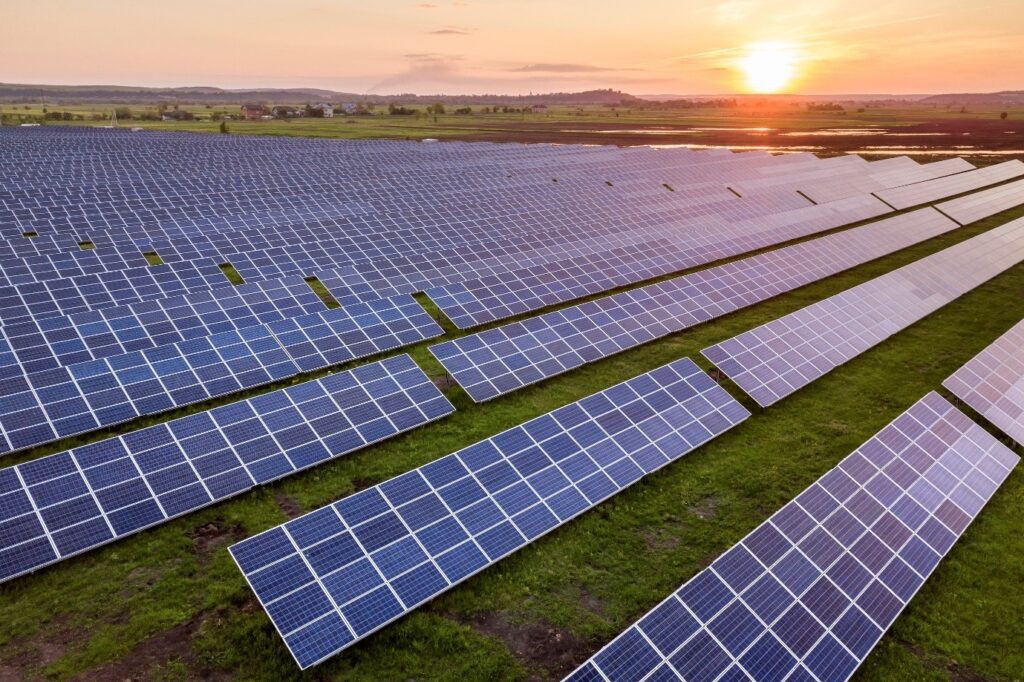
Despite very obvious benefits, the successful large-scale implementation of the CTBCM model will require the support of major organizations, among other key stakeholders. Transformative companies like Wateen, with established capabilities and future-ready offerings in Energy Solutions, are positioned to support bulk consumers during each stage of the CTBCM model implementation. With coordinated efforts between policymakers, major companies like Wateen, technical experts, and consumers, Pakistan can chart a more sustainable and financially stable energy pathway. Follow the link here to explore what a future-ready energy landscape looks like.